

Geopolitical Conflict and the Repricing of Global Energy Systems|地缘冲突与全球能源体系的重定价

Independent research on structural shifts in energy, technology, and capital.
聚焦能源、技术与资本结构性变化的独立研究。
For informational purposes only. Not investment advice.
仅供信息参考,不应被视为投资建议。
Recent developments involving the United States, Israel, and Iran are no longer confined to the realm of geopolitical tension. What is unfolding is gradually extending into the operational layer of the global energy system itself.
近期围绕美国、以色列与伊朗的局势,已逐步超出传统地缘冲突的范畴,开始向全球能源体系的运行层面渗透。
In earlier geopolitical episodes, markets tended to react to expectations. Prices moved quickly, but just as quickly reversed once tensions eased. The current situation appears different. The emerging signals suggest that the disturbance is no longer limited to sentiment, but is beginning to affect the physical pathways through which energy flows.
以往的地缘冲突,更多通过预期影响市场,价格波动往往具有较强的可逆性。而当前的变化在于,影响正在从“预期层面”逐步向“供给体系本身”转移。
This distinction is not merely semantic. Once disruptions move from expectations to infrastructure and transportation systems, their effects tend to persist and accumulate rather than dissipate.
这一变化的关键在于:当扰动作用于基础设施与运输体系时,其影响往往具备持续性,而非短期波动。
The focal point of conflict is shifting towards control over energy transportation routes rather than isolated military objectives.
冲突焦点正从单纯军事目标,转向对能源运输通道的控制。
A closer examination of recent developments reveals a subtle but important shift in the nature of the conflict. Public information indicates that military activities have increasingly concentrated on maritime domains—mine-clearing operations, naval deployments, and the safeguarding of shipping lanes.
从近期公开信息来看,军事行动的重心正逐步转向海上领域,包括扫雷、舰队部署以及航道安全保障。
At the same time, reported incidents involving energy-related infrastructure and logistics suggest that the scope of impact is expanding beyond conventional military confrontation.
与此同时,多起涉及能源基础设施与运输系统的事件被报道,使得冲突的影响范围逐渐外溢至能源供给体系。
This combination is significant. When military focus intersects with energy transportation routes, the underlying objective often shifts from territorial or tactical considerations to control over flow and distribution.
当军事行动与能源运输通道发生重叠时,其影响往往不再局限于战术层面,而是开始触及资源流动与分配的控制权。
According to data from the U.S. Energy Information Administration (EIA), the Strait of Hormuz carries approximately one-fifth of global seaborne oil flows and a substantial share of LNG trade. This makes it not merely a regional chokepoint, but a structural node within the global energy system.
根据美国能源信息署(EIA)数据,霍尔木兹海峡承担全球约20%的海运石油运输,并在LNG贸易中占据重要地位,其本质是全球能源体系中的关键节点。
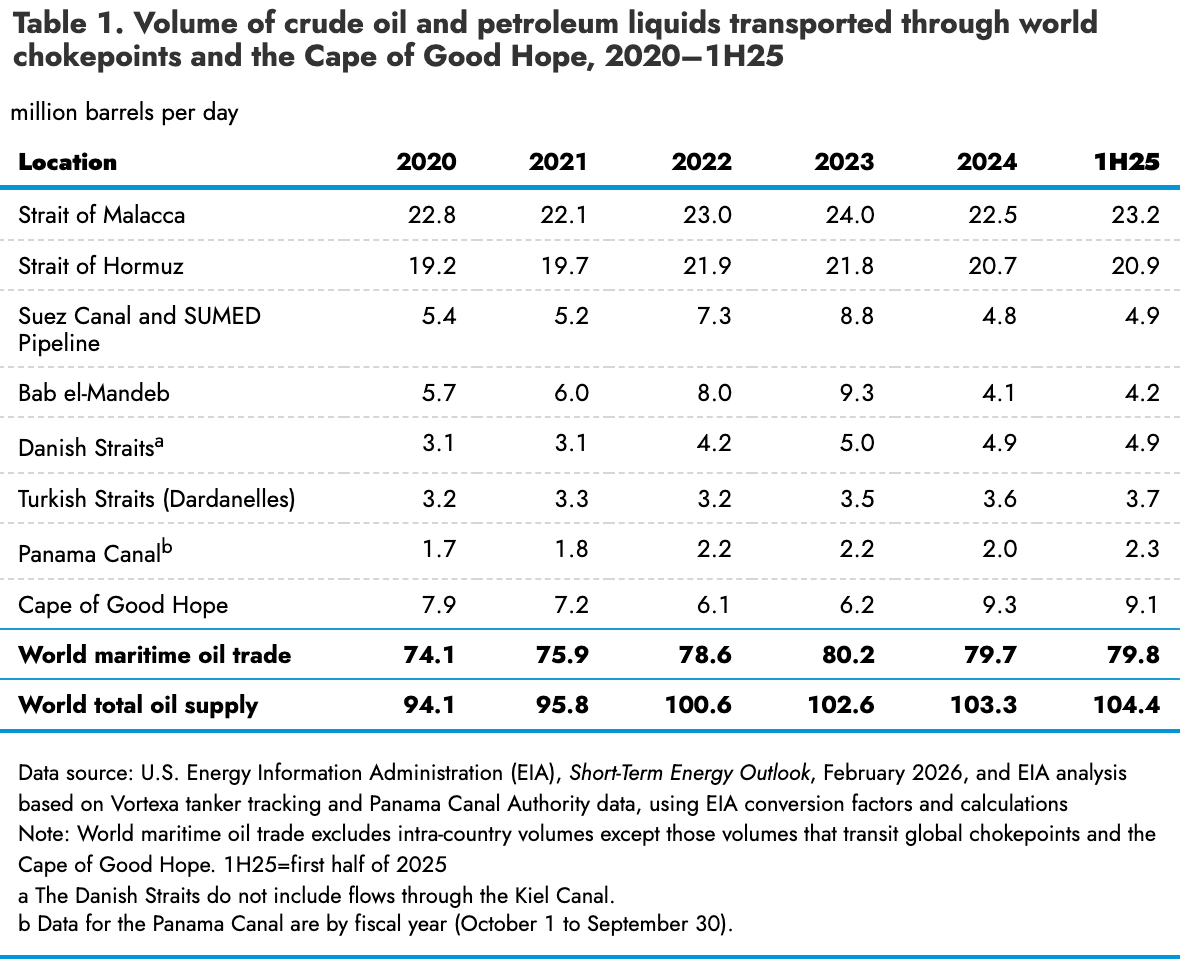
Under such conditions, even limited disruptions may propagate rapidly through global markets, not because of speculation, but due to constraints on actual supply flows.
在这一背景下,一旦该区域出现扰动,其影响将通过供给约束迅速传导,而不仅仅是情绪驱动。
A further layer of change can be observed in the transition from anticipated risk to observable pressure. Historically, geopolitical tensions tended to influence prices through forward-looking expectations. What is emerging now, however, is a gradual materialisation of supply-side stress.
更进一步来看,当前市场正从“风险预期”向“供给压力”转变。
Reports indicate that certain LNG-related facilities in the Gulf region have been affected, alongside disruptions involving major gas fields such as South Pars. While some of these reports remain subject to verification, they nonetheless point to a rising level of operational risk across energy infrastructure.
据报道,海湾地区部分LNG设施以及南帕尔斯气田受到影响。尽管部分信息仍需进一步核实,但其共同指向是能源基础设施风险正在上升。
In response, the International Energy Agency (IEA) has coordinated releases of strategic petroleum reserves. Such measures are effective in addressing short-term oil supply imbalances, but their ability to mitigate disruptions in LNG systems is inherently limited.
国际能源署(IEA)已启动战略石油储备释放,这一措施对原油市场具有短期缓冲作用,但对LNG体系的扰动应对能力有限。
This asymmetry is crucial. Oil supply disruptions, particularly those linked to transportation, can often be alleviated once shipping resumes. Natural gas, by contrast, depends on a tightly linked chain of infrastructure.
这种不对称性至关重要。原油更多依赖运输,而天然气则依赖复杂的基础设施体系。
Under current conditions, natural gas markets appear to reflect a stronger structural sensitivity. This is not driven by a single factor, but by the interaction of several constraints.
在当前环境下,天然气市场呈现出更强的结构性敏感特征,这源于多重因素的叠加。
Infrastructure restoration is time-intensive. Demand remains relatively stable, while the number of regions capable of rapidly scaling supply is limited.
基础设施修复周期较长,需求保持稳定,而可快速扩产的区域有限。
The United States has emerged as a major LNG exporter, with supply chains that do not depend on the Strait of Hormuz. This reflects a shift in supply structure rather than a short-term increase in supply volume.
美国已成为重要的LNG出口国,其供应体系不依赖霍尔木兹海峡,这体现的是供给结构的变化,而非短期供给增加。
Price movements do not fully capture structural changes, particularly within LNG markets governed by long-term contracts.
价格变化并不能完全反映结构性变化,尤其是在以长期合同为主导的LNG市场。
At the level of pricing, it is important to distinguish between short-term movements and structural adjustments.
在价格层面,需要区分短期波动与结构变化。
In the LNG sector, a significant portion of supply operates under long-term contracts, limiting the transmission of spot price movements across the value chain.
LNG行业大量依赖长期合同,这限制了现货价格在产业链中的传导。
Taken together, these developments point towards a structural shift in global energy systems.
综合来看,全球能源体系正发生结构性变化。
Natural gas is playing an increasingly important role both as a transitional energy source and as a strategic component of energy security.
天然气在能源转型与能源安全中正扮演更重要角色。
At the same time, uncertainties remain regarding shipping conditions, infrastructure recovery, and macroeconomic developments.
与此同时,通航恢复、设施修复与宏观环境仍存在不确定性。
Conclusion|结语
The defining shift lies in the transition from price volatility to structural transformation within global energy systems.
当前最核心的变化,在于从价格波动转向能源体系的结构性转型。
Oil reflects short-term disruptions, while natural gas reflects longer-term structural change.
原油反映短期扰动,天然气体现中长期结构变化。
LNG is increasingly becoming a strategic variable in the global energy system, though its trajectory remains linked to geopolitical developments.
LNG正逐步成为全球能源体系中的关键变量,其演变仍取决于地缘局势。